
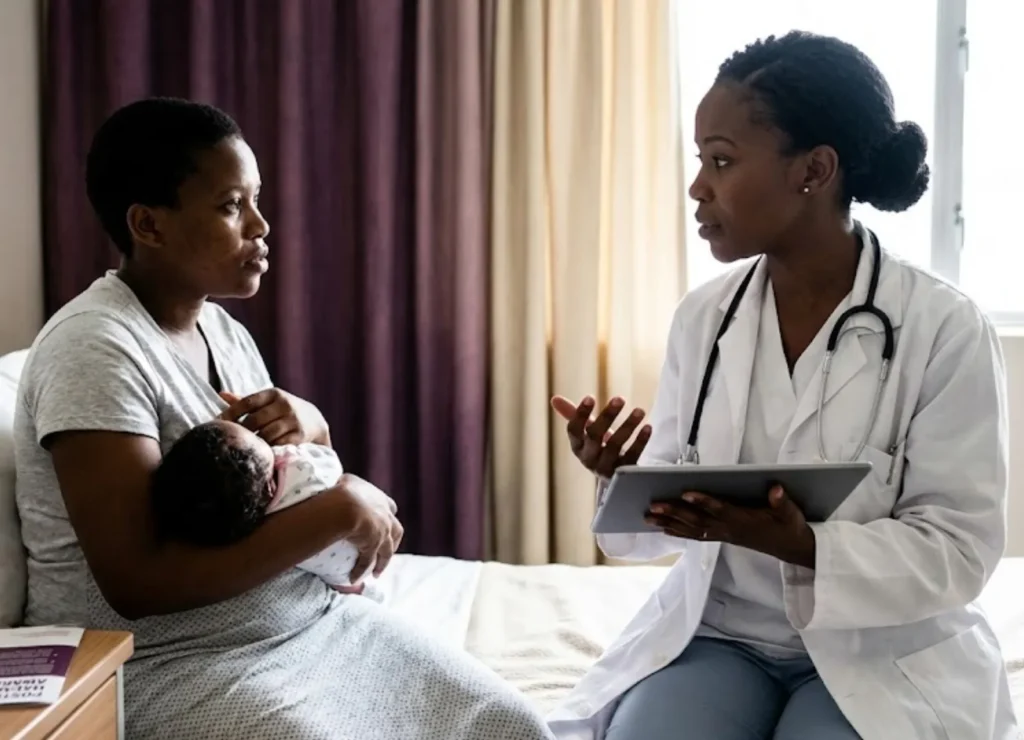
Childbirth is often described as a joyful milestone, but it is also a physically demanding process that requires close attention even after the baby is delivered. One of the most serious complications that can occur after birth is postpartum haemorrhage (PPH), which refers to excessive bleeding following the delivery of the baby and placenta. During pregnancy, blood flow to the uterus increases significantly to support the baby, which means that if bleeding occurs after delivery, it can become severe very quickly. PPH remains a major cause of maternal illness and death worldwide, especially where there are delays in recognizing the signs or accessing care. The good news is that with proper awareness, early recognition, and timely treatment, it can be effectively managed.
Symptoms of PPH
The symptoms of PPH can include:
- Heavy bleeding from the vagina that soaks through pads quickly
- Passing large blood clots
- Feeling faint, dizzy, or lightheaded
- Rapid or pounding heartbeat
- Pale or unusually tired appearance
- Cold, and clammy skin
- A feeling of pressure or fullness in the lower abdomen or vagina
- A sensation that something is descending or “falling out” of the vagina
Risk Factors for PPH
There are several risk factors for PPH, including:
- A previous history of postpartum haemorrhage
- Uterine atony, where the uterus does not contract effectively after delivery
- Retained placenta, where part or all of the placenta remains in the uterus
- Delivering a large baby
- Multiple pregnancies (twins or more)
- Cesarean delivery
- Preeclampsia or high blood pressure during pregnancy
- Placental abruption, where the placenta separates too early
- Chorioamnionitis, an infection of the membranes surrounding the baby
Treatment for PPH
Treatment for PPH depends on how severe the bleeding is and how quickly it is identified. It may include:
- Uterine massage to help the uterus contract and reduce bleeding
- Medications such as oxytocin to stimulate uterine contractions
- Medications like misoprostol to assist in expelling any retained tissue
- Blood transfusion to replace lost blood and stabilize the mother
- Surgical intervention in more severe or uncontrolled cases
Prevention of PPH
There are practical steps that can reduce the risk of PPH, including:
- Attending regular antenatal care to identify and manage risk factors early
- Having a clear birth plan that includes how bleeding will be managed if it occurs
- Ensuring a skilled healthcare provider is present during delivery
- Initiating breastfeeding soon after birth, as it helps the uterus contract naturally
If you notice any signs of excessive bleeding after delivery, it is important to seek medical care immediately. Acting quickly can make a critical difference and significantly improve outcomes for both mother and family.