
What We Saw
Something has changed.
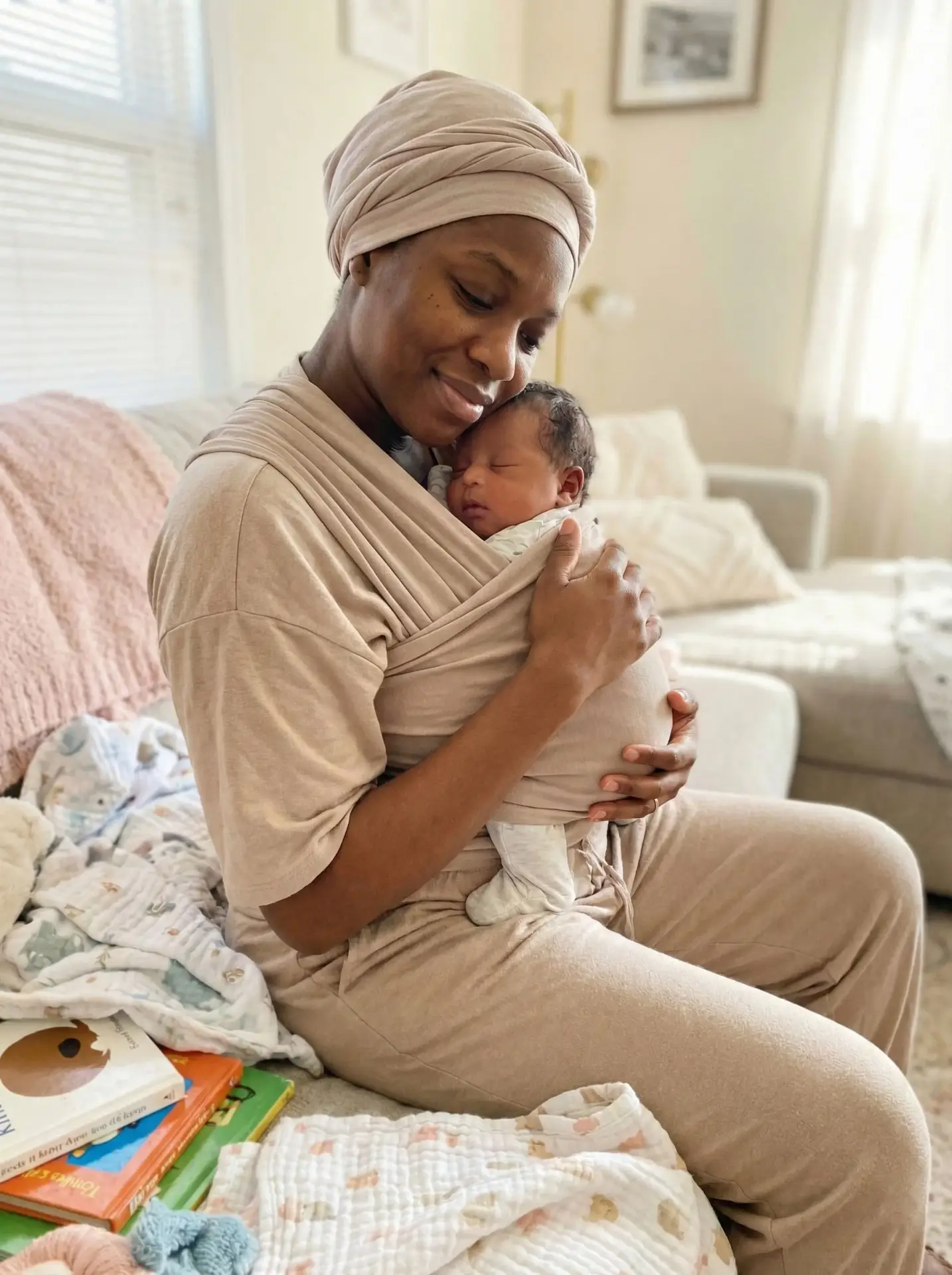
Not long ago, a woman who had just given birth was not left to manage alone. She was surrounded. Her mother came. A sister arrived. The household adjusted around her. Meals appeared. Someone held the baby so she could sleep. The community understood, without anyone having to say it, that a new mother needed time, care, and presence.
That structure has largely disappeared. Urbanisation, migration, demanding careers, and the geographic dispersal of families mean that many women today navigate the early weeks after birth in relative isolation. Their partners are present and willing. Their families mean well. But the structure, the organised, reliable system of care, is gone. The result is not a failure of love. It is a failure of preparation.
The Science
The early weeks after birth are not a recovery period. They are a formation period.
Research consistently shows that what happens in the first weeks after birth has long-reaching effects on a mother’s physical and mental health, on the strength of the bond between parent and child, and on the neurological and emotional development of the baby. The postpartum period is when the foundations of attachment are laid. It is when a mother’s hormonal system is reorganising, her body is healing from one of its most demanding physical events, and her sense of identity is undergoing a profound shift. It is also the window during which the support or absence of support makes the most measurable difference. When mothers are well-supported in this season, postpartum depression rates decline. Breastfeeding is more likely to succeed and to last. Babies develop more secure attachment patterns. Families stabilise faster. These are not soft, anecdotal outcomes. They are documented, reproducible, and significant. |
The Wisdom We Recovered
African families have understood this for generations.
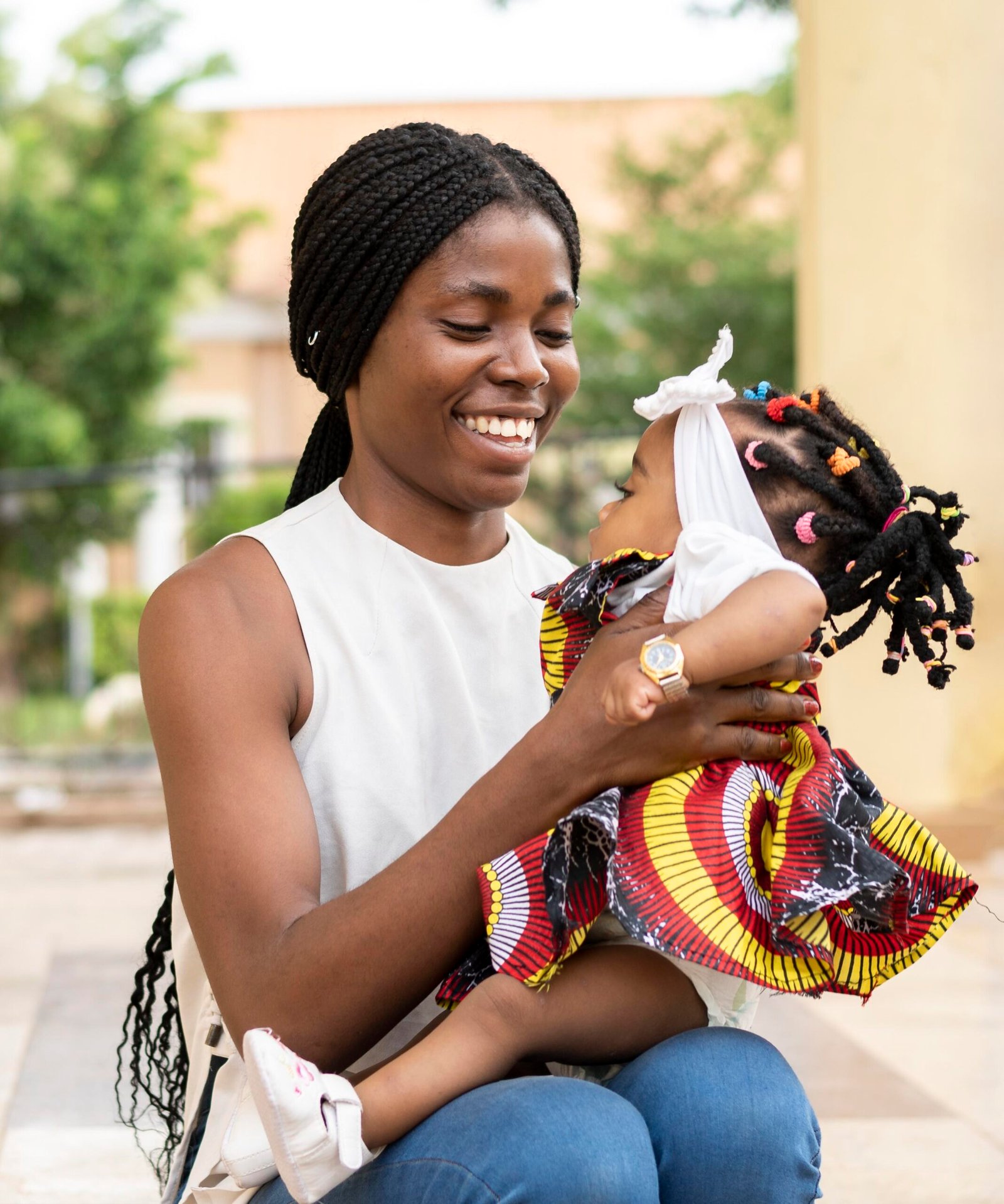
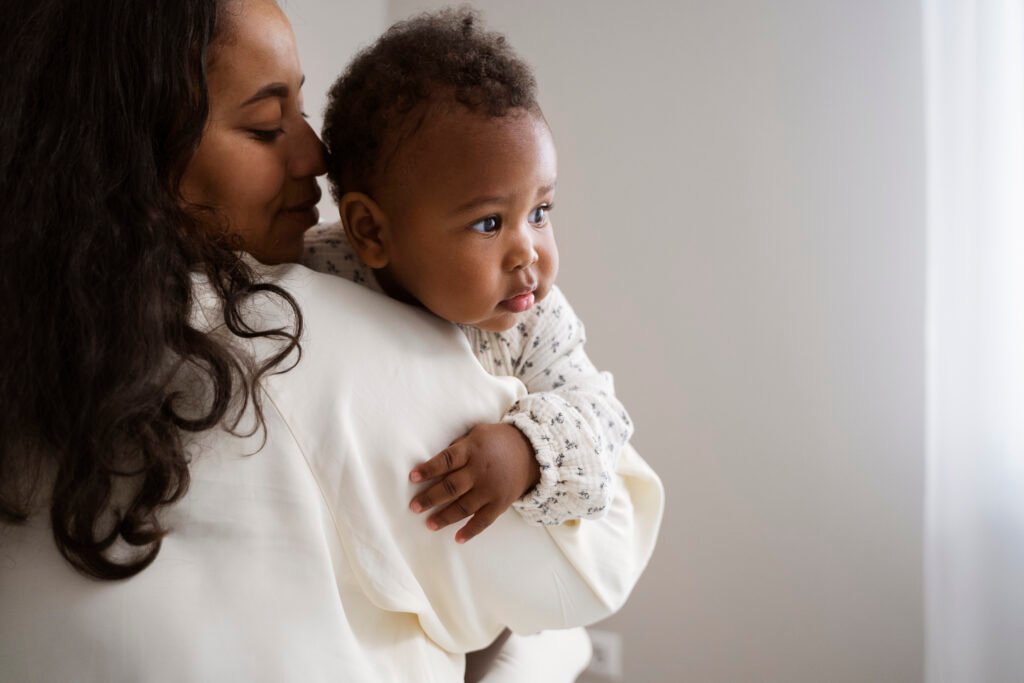
In Igbo culture, and across many African communities, the early postpartum period has long been recognised as a distinct and sacred season. The practice known as Omugwo describes the system that surrounds it: a female elder, often the mother or mother-in-law, comes to stay. She takes charge of the household. She cooks the broths and soups that support the mother’s healing. She bathes and tends to the baby. She stays close so that the new mother can rest. Omugwo is not sentiment. It is a structured caregiving system built on the understanding that a woman who has just given birth cannot and should not be expected to immediately resume the full weight of daily life. She needs to be held so that she can heal. Modern life has disrupted the structures that made Omugwo possible. Extended families no longer live in the same city. Mothers-in-law have their own professional lives. Maternity leave is short. The village, that structured circle of people who surrounded a new mother and held her life steady while she healed, has scattered. But the need the practice was meeting has not gone away. It has simply gone unmet. |
The Platform
Omugwo Academy is what we built in response.
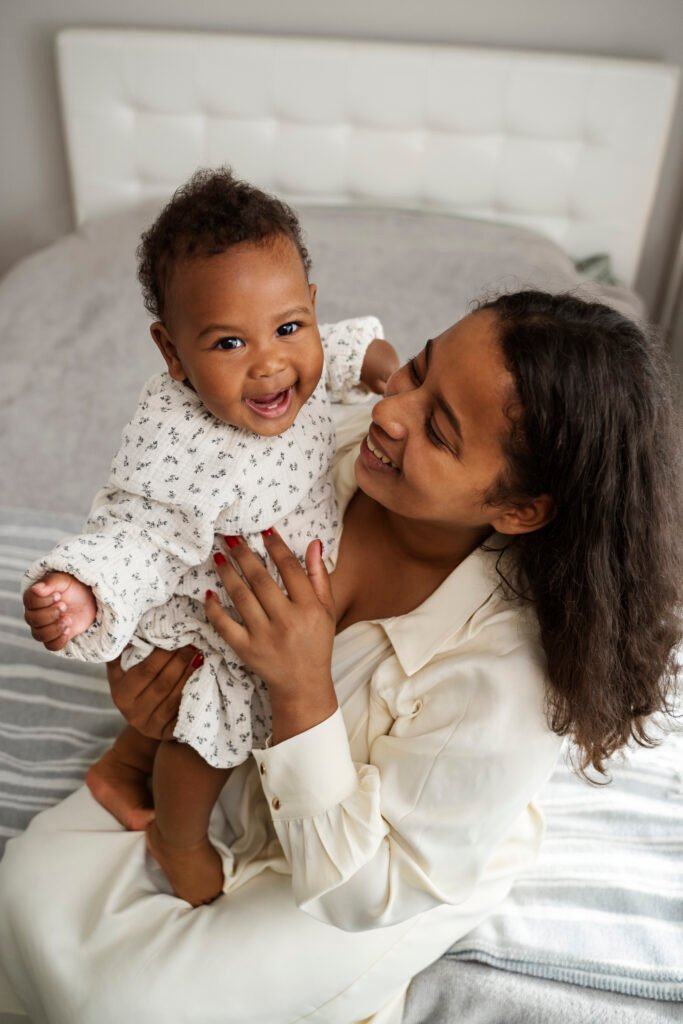
It brings together three things that rarely sit in the same place: medical knowledge of maternal and infant health, early childhood development science, and the practical wisdom embedded in African postpartum traditions. Through self-paced courses designed for mothers, fathers, and caregivers; through private consultations; and through free resources spanning articles, a podcast, and guided tools, Omugwo Academy gives families what the traditional support system once provided, in a form that fits modern life. It is not a hospital. It is not a substitute for clinical care. It is not a wellness brand. It is a preparation and support system: clear, calm, culturally grounded, and medically sound. The goal is simple. Mothers who recover well. Babies who begin life securely. Fathers who show up with confidence. Families who find their rhythm in the early weeks, rather than surviving them. |
Who This Is For
If you are preparing to welcome a baby, this is for you
Omugwo Academy is for every person in the room when a baby arrives. It is for the mother at the centre of it all, who needs more than encouragement. She needs to understand what her body is going through and why, what her baby needs from her and what can be shared, how to protect her recovery without guilt, and how to navigate the emotional and physical demands of this season with clarity rather than just endurance. It is for the father who wants to show up fully and needs to know what that actually looks like, day by day, in practical terms.
It is for the grandmother, the aunt, the sister, or the close friend who will be in that home in the early weeks and wants their presence to count. And it is for all of them together, as a family preparing for something that will ask more of each of them than they currently expect. The platform draws from medical science, early childhood development knowledge, and the deep practical wisdom of African postpartum tradition. Not to preserve every custom unchanged, but to understand what each practice was doing for the mother and baby, keep what serves them well, and translate it into a form that works for the life they are actually living now. Whether your village is fully assembled, partially there, or still being built, Omugwo Academy helps you prepare well, care well, and begin well.
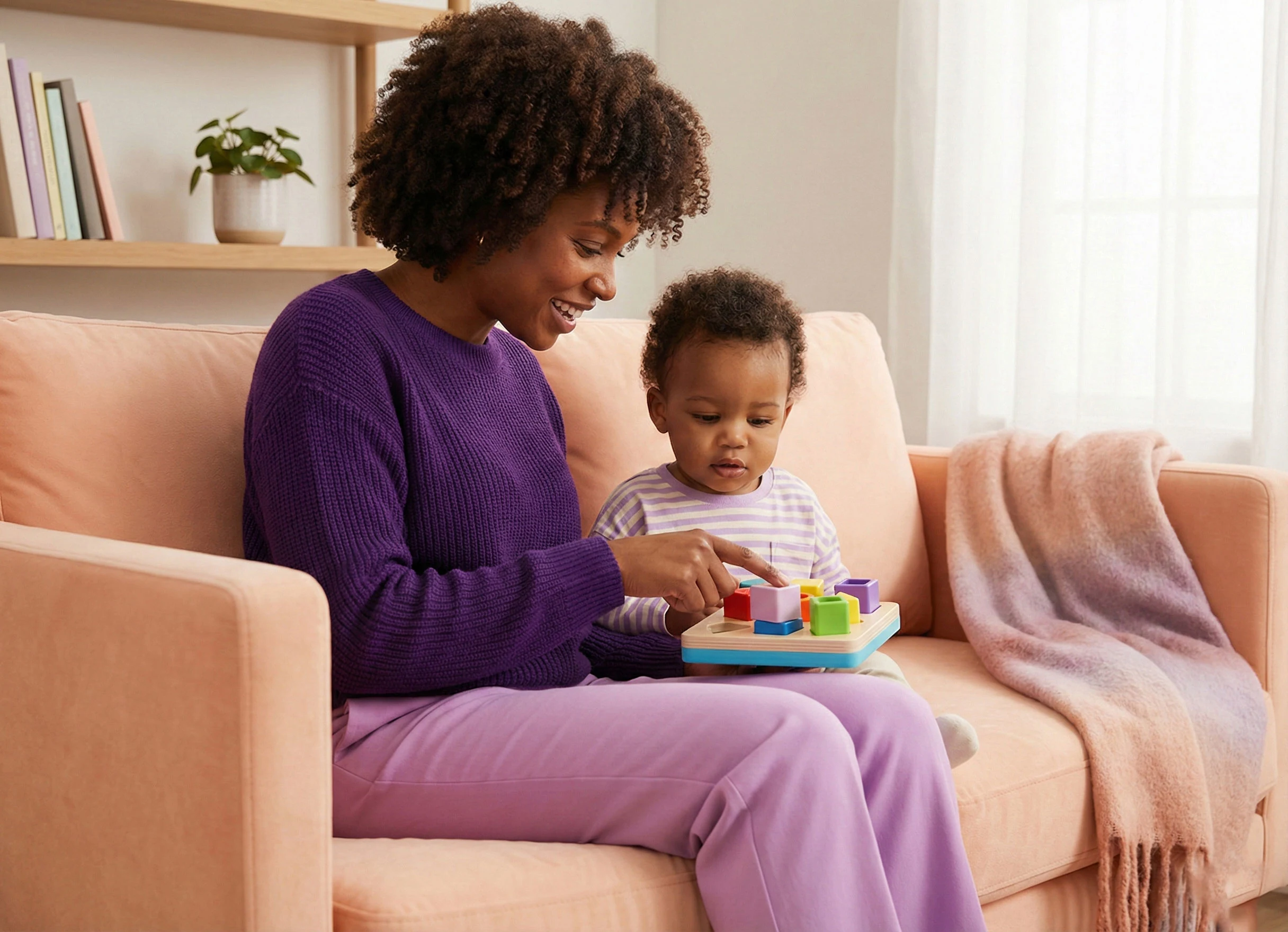
Postpartum care is not a luxury
It is the first human capital investment a family can make. When a mother is supported well in the early weeks after birth, her baby’s neurological development, emotional security, and long-term health outcomes all improve. What happens in those weeks quietly shapes the kind of adults those children will become.
Our Mission
We exist because too many mothers are navigating one of the most demanding seasons of human life with no structured support around them. Omugwo Academy provides what modern life has taken away: a clear, medically sound, culturally grounded system of care for the first weeks after birth and beyond.
Our Vision
A generation of African children who begin life securely, because their mothers were supported, their fathers were ready, and their families knew what to do. |