
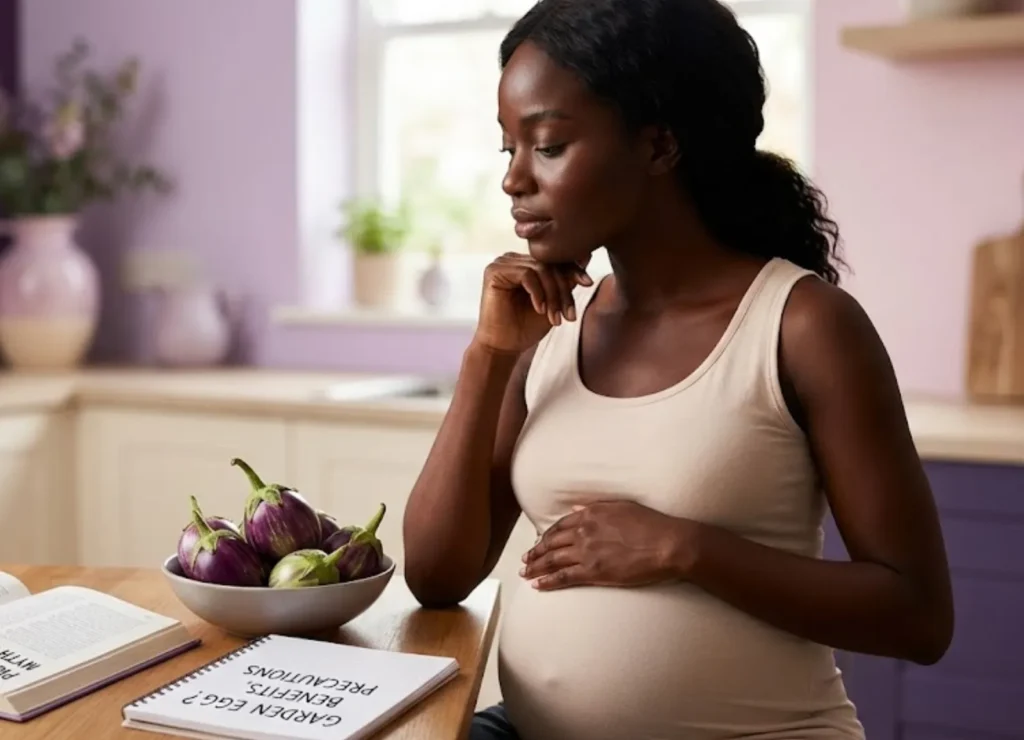
Pregnancy often changes the way you think about food. Meals are no longer just about satisfaction, they become part of how you support your baby’s growth and your own well-being. It is normal to question everyday foods and wonder what is safe, beneficial, or worth including more often. One food that frequently comes up in these conversations is garden egg. It is widely eaten, easy to access, and familiar, but many expectant mothers still want to know whether it truly supports a healthy pregnancy.
Garden eggs are not only safe to eat during pregnancy, they also offer a range of nutrients that support both maternal health and fetal development. They contain important vitamins and minerals such as folate, potassium, phosphorus, iodine, and vitamins A and D. These nutrients play specific roles in the body; from supporting cell growth and bone development to helping regulate fluid balance and immune function. When included as part of a balanced diet, garden eggs can contribute meaningfully to meeting your nutritional needs during pregnancy.
To understand their value more clearly, it helps to look at what these nutrients actually do. Folate, for example, is essential for early fetal development, particularly in supporting the formation of the baby’s brain and spinal cord. Potassium helps maintain healthy blood pressure levels and supports muscle function, which can be especially important as your body adapts to pregnancy. Vitamin A contributes to vision and immune health, while phosphorus plays a role in building strong bones and teeth for both mother and baby.
Beyond their nutrient content, garden eggs are also relatively easy to incorporate into everyday meals. They can be eaten raw, lightly cooked, or added to sauces and stews without requiring complex preparation. This makes them a practical option, especially during periods when appetite fluctuates or energy levels are low. Their mild taste also makes them easier to tolerate compared to stronger-flavoured vegetables, particularly in the early stages of pregnancy.
However, like any food, moderation matters. While garden eggs are beneficial, they should be part of a varied diet that includes other fruits, vegetables, proteins, and whole grains. This ensures that you are getting a wide range of nutrients rather than relying too heavily on one source. It is also important to wash them properly before eating, especially if consuming them raw, to reduce the risk of contamination.
It is also worth paying attention to how your body responds. Pregnancy can change taste preferences and digestion, so what works well for one person may not feel as comfortable for another. If you notice any discomfort after eating certain foods, it is reasonable to adjust your intake and speak with a healthcare provider if needed.
Overall, garden eggs can be a valuable addition to your pregnancy diet when consumed appropriately. They provide nutrients that support both your health and your baby’s development, while also fitting easily into familiar meals. Making informed, balanced food choices during this period does not require complexity, it starts with understanding what you are eating and how it supports your body.
As you continue navigating your pregnancy, the goal is not to eliminate every uncertainty, but to build confidence in your choices. Including nutrient-rich, accessible foods like garden eggs is one of the practical ways to support a healthier and more stable pregnancy journey.

1. Prevents Malnutrition
Pregnancy can put a lot of demands on your body, which means you might be at risk of missing out on important nutrients. But don’t worry! Garden eggs are full of vitamins, minerals, and fiber to help keep you (and your baby) nourished. So, adding them to your diet can help prevent those annoying nutrient gaps.
2. Promotes Heart Health
Your heart’s working overtime during pregnancy, and garden eggs can give it a helping hand. They’re rich in fiber and pectin – fancy words for saying they help lower cholesterol. Keeping your cholesterol in check means less stress on your heart, which is a big plus for you and your growing baby.
3. Regulates Blood Pressure
High blood pressure is a common pregnancy struggle, but garden eggs have a little secret weapon: potassium! This mineral helps balance out your electrolytes, making it easier to manage blood pressure. So, eat some garden eggs to keep things calm and under control.
4. Boosts Energy Levels
Feeling tired? That’s pregnancy for you. But garden eggs are mostly made of water and carbohydrates – perfect for giving you a steady energy boost. Plus, it’s the kind of energy that’ll keep you going without getting exhausted, so you can stay on top of your day.
5. Strengthens Bones
Pregnancy puts extra pressure on your bones, especially as you get closer to the big day. Luckily, garden eggs are full of calcium and phosphorus, which help strengthen your bones. That means they’ll help support your body and keep your baby’s bones growing strong too.
Precautions When Consuming Garden Eggs During Pregnancy
While garden eggs are highly beneficial, moderation is key. Pregnant women should consume garden eggs in reasonable quantities and as part of a balanced diet. It’s also advisable to consult a healthcare provider before making significant dietary changes during pregnancy.
Conclusion
So, mama, garden eggs? Definitely a great idea! They’re packed with benefits like boosting your energy, keeping your heart and blood pressure in check, and making sure your bones stay strong. Just keep things balanced, and you’ll be well on your way to a healthy pregnancy – for both you and your little one!