
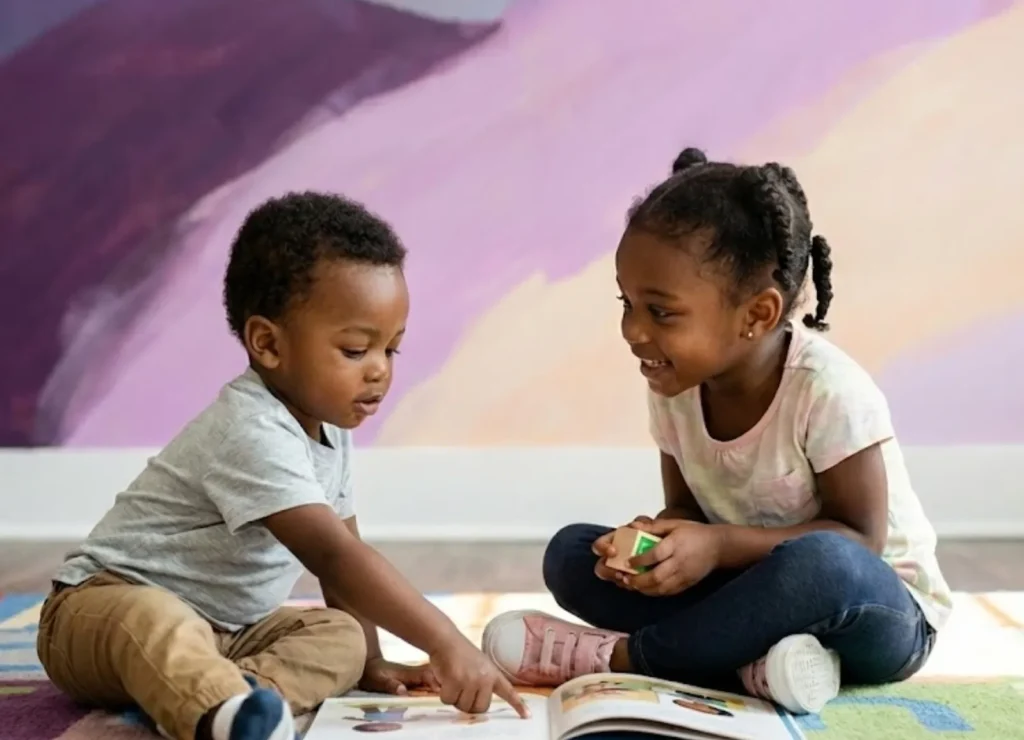
Early childhood is not just a phase of rapid physical growth, it is the period where the foundation of how a child thinks, relates, learns, and responds to the world is quietly being built. In these early years, development does not happen in isolation; cognitive abilities and emotional understanding grow side by side, shaping how a child will eventually communicate, solve problems, and connect with others. For parents, caregivers, and educators, paying attention to these developmental milestones is less about comparison and more about understanding what healthy progression looks like and when a child may need additional support or stimulation.
These early years of growth can be better understood by looking at the key milestones that show how a child’s thinking abilities gradually develop.
Cognitive Development Milestones
- Sensory Exploration (0-12 months): In the first year of life, a baby learns primarily through their senses. They touch, taste, observe, and respond to everything around them. Objects are grabbed, shaken, and often placed in the mouth as part of natural exploration. This stage may look simple from the outside, but it is where the brain begins to build early connections about texture, sound, movement, and cause-and-effect.
- Object Permanence (8-12 months): As the baby approaches their first year, something significant begins to develop, the understanding that people and objects still exist even when they cannot be seen. This is why games like peek-a-boo are so engaging at this stage. It reflects a growing ability to hold mental images and strengthens early memory and problem-solving skills.
- Language Development (12-24 months): During this stage, communication begins to shift from sounds and gestures to meaningful words. Children often say their first recognizable words and gradually begin to follow simple instructions. Vocabulary grows steadily, and while sentences may still be short or incomplete, the intent to communicate becomes much clearer and more intentional.
- Symbolic Play (2-4 years): At this stage, imagination becomes a major part of learning. A child may use a spoon as a pretend phone or turn a chair into a “car.” This type of play is not random, it shows that the child is beginning to understand representation, creativity, and abstract thinking, all of which are important for later learning.
- Counting and Early Number Understanding (3-5 years): As children move closer to school age, they begin to recognize numbers, count objects, and understand basic ideas of quantity. Simple concepts like “more,” “less,” or basic addition start to make sense through play and everyday experiences, forming an early foundation for formal mathematics.
Social-Emotional Development Milestones
- Attachment Formation (0-12 months): In the first year, babies form strong emotional bonds with their primary caregivers. This attachment is essential because it creates a sense of safety and trust. A child who feels secure is more likely to explore their environment confidently and respond positively to social interaction later on.
- Emotion Recognition (12-24 months): Toddlers begin to notice and respond to emotions both their own and those of others. They may show joy, frustration, or fear more clearly and start to respond to emotional cues from caregivers. Simple gestures like hugging or seeking comfort become early signs of empathy development.
- Parallel Play (2-3 years): At this stage, children begin to play near others but not necessarily with them. They may sit beside other children and engage in similar activities without direct interaction. While it may look like they are playing alone, this is an important step toward social awareness and peer interaction.
- Empathy and Sharing (3-5 years): As emotional understanding deepens, children begin to show more awareness of others’ feelings. They may attempt to comfort a friend who is upset or show early signs of sharing, although this is still developing and may not always be consistent. These experiences help shape emotional regulation and social cooperation.
- Conflict Resolution (4-6 years): By the time children enter school age, they begin learning how to handle disagreements in more structured ways. Instead of reacting physically or emotionally, they start to use words, negotiation, and compromise, skills that are essential for building healthy relationships outside the home.
Understanding these milestones is not about rushing development or placing pressure on children. It is about awareness, knowing what is typical so that support can be offered at the right time and in the right way. Every child develops at their own pace, but these patterns provide a helpful guide for recognizing progress and identifying when extra attention may be needed.
Supporting both cognitive and social-emotional growth is most effective when it happens naturally through daily interaction; talking, playing, reading, and responding to a child’s emotional needs with patience and consistency. When children are given space to explore, connect, and express themselves, they build not just skills, but confidence in how they relate to the world around them.